- Home
- >
- News
- >
- Trade News
- >
- Electrical Duct from Underground Ducting to Wall Ducts: A Buyer's Guide to Buried and Surface Runs
Electrical Duct from Underground Ducting to Wall Ducts: A Buyer's Guide to Buried and Surface Runs
Type a duct into a search box and the same product returns under five labels: wall duct, electrical duct, electrical underground conduit, under ground ducting and wire ducts. The names describe where the duct sits in a route, not a different material, and that is what trips up first-time importers.
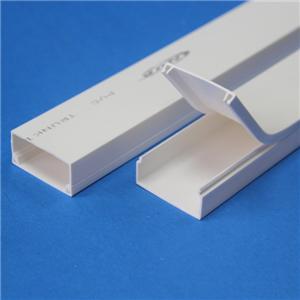
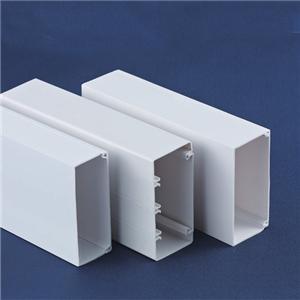
One route uses the whole family: a rigid PVC duct buried in the ground, the same profile rising through a wall as a wall duct, and a rectangular profile fixed on the surface as wire ducts with a snap-on lid. Buy by position first, then by size.
Underground work cannot be corrected later. An electrical underground conduit normally sits 600 to 800mm deep under a warning tape, on sand bedding, with concrete encasement where vehicles cross. Spare ducts and draw pits cost little while the trench is open and save the second excavation that otherwise follows.
Joint quality decides whether a cable can ever be pulled. Socket-end under ground ducting is solvent-cemented or gasketed so soil and water stay out, and long sweeping bends replace tight elbows so the draw rope runs freely. A watertight, smooth bore is still serviceable in ten years.

G AND N FORTUNE LIMITED has spent 20 years exporting plastic conduit and trunking systems, with 35 extrusion lines for pipe and profile and 55 injection molding machines for couplers, bends and junction boxes. Pipe, socket and fitting come from one plant, so a buried electrical duct system stays dimensionally matched.
Production follows British Standard (BS) requirements that specifiers in Nigeria, Ghana, Saudi Arabia, the UAE, Malta and Thailand already recognise, and export packing is prepared for long sea freight.
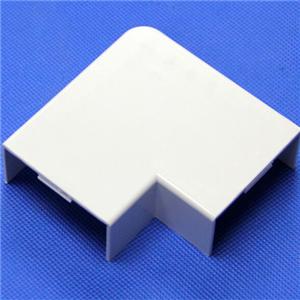
Above ground the logic repeats. A rising duct should pass through a sleeve before it becomes a wall duct, and rectangular wire ducts with snap-on covers keep cables accessible when circuits are added later. Angles, tees and couplers must match the profile at every turn.

When you enquire, give the position of each run — buried, wall or surface — plus outside diameter or duct size, wall thickness, joint type and accessories. Ask G AND N FORTUNE LIMITED for samples, packing list and lead times, backed by 20 years of exports and British Standard certification.