- Home
- >
- News
- >
- Trade News
- >
- Wire Conduit for Wall and Fiber Drop Installations: Where Conduit, Mini Trunking and Fittings Come from One Factory
Wire Conduit for Wall and Fiber Drop Installations: Where Conduit, Mini Trunking and Fittings Come from One Factory
Adding internet to an old building used to mean pulling copper through whatever space existed. The moment the drop becomes optical, the site rules change: bend radius, tensile load and dust all matter, so installers stop chasing cable into wall cavities and start buying a purpose-made wire conduit for wall routes that stay accessible and easy to re-pull.
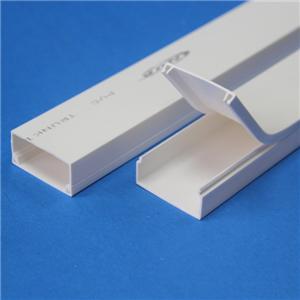
On finished walls the answer is usually mini trunking, a slim snap-cover duct from about 16x16mm upward that carries the drop neatly between a box and the customer premises equipment. Where walls are still open, the same job is done with pvc for electrical wiring grade tube cast into the block or slab.
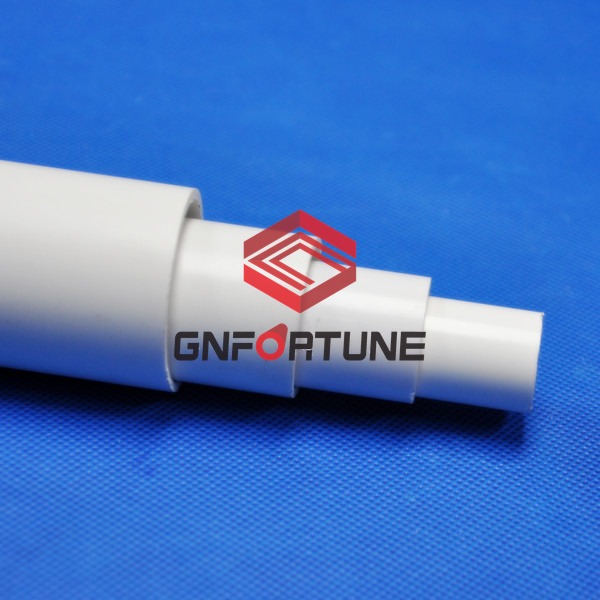
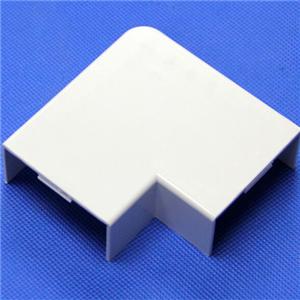
A conduit for fiber has to protect a glass core that hates tight corners, so the sweep of every bend, the smoothness of the bore and the radius of the draw boxes decide whether the installation survives. Sharp 90-degree elbows that are harmless for copper can raise loss on optical cable, which is why wide-sweep bends and inspection elbows are specified.
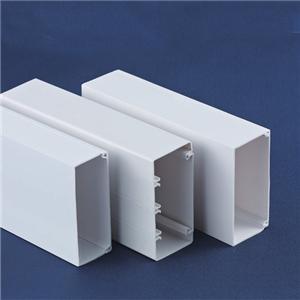
The riser side is heavier work. A fiber optic trunk cable serving many units carries more strands and a larger diameter, so it needs a bigger duct with pull points at each floor, kept apart from power runs in pvc for electrical conduit material to avoid interference and heat.
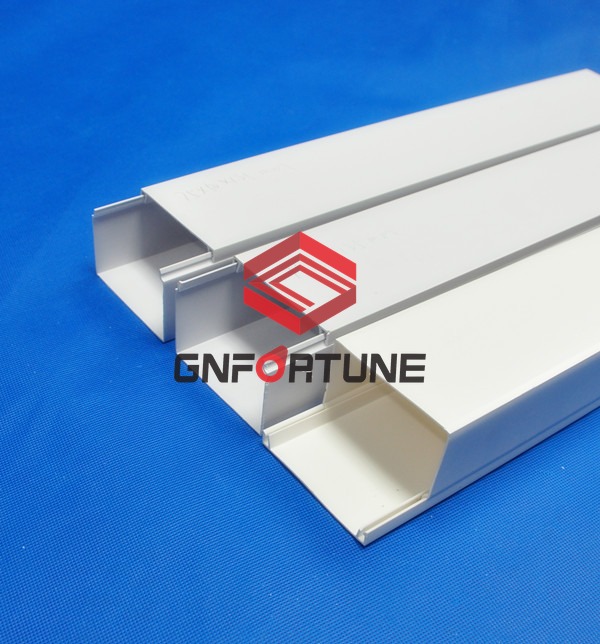
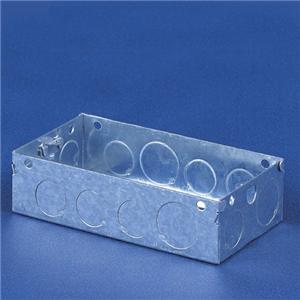
G AND N FORTUNE LIMITED has spent 20 years exporting plastic conduit, ducting and trunking, running 35 extrusion lines for profiles and 55 injection molding machines for covers, bends, couplings and junction boxes. A fiber drop crosses a dozen parts, and every mismatch between them is a lost signal or a call-back.
Because tube, channel and elbows are moulded from one compound on one site, wall thickness and socket dimensions agree across the whole order, and production follows British Standard (BS) requirements for non-metallic cable management. Regular shipments serve Nigeria, Ghana, Saudi Arabia, the UAE, Malta and Thailand.
A clear enquiry quotes faster: state the wall conduit sizes (typically 20, 25 and 32mm) and mini trunking sections, the wall thickness, and whether the route needs wide-sweep bends for optical cable. Confirm the fittings list by size, then add ten percent extra covers and couplers.
Ask G AND N FORTUNE LIMITED for sample lengths, a compound data sheet and one packing list covering wire conduit for wall work, trunking and boxes in a single container, backed by 20 years of exports and British Standard certification.